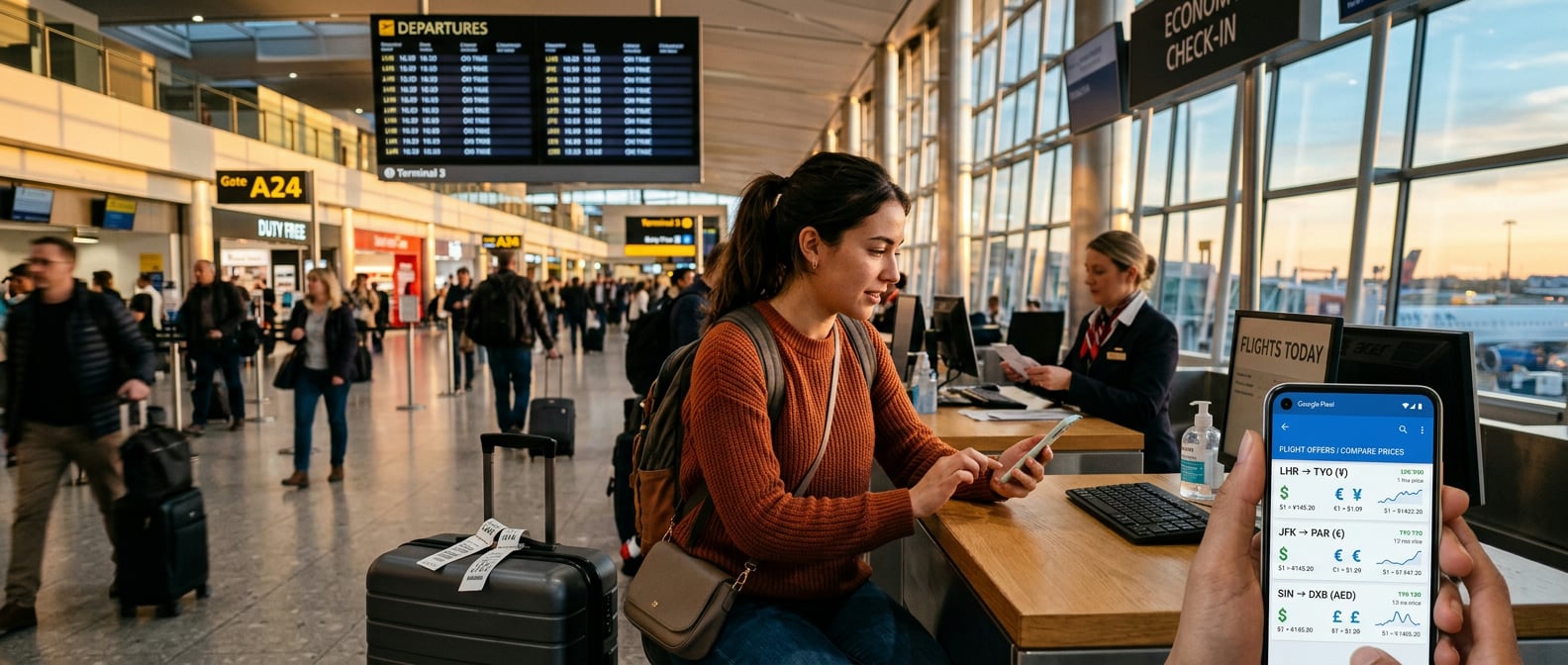
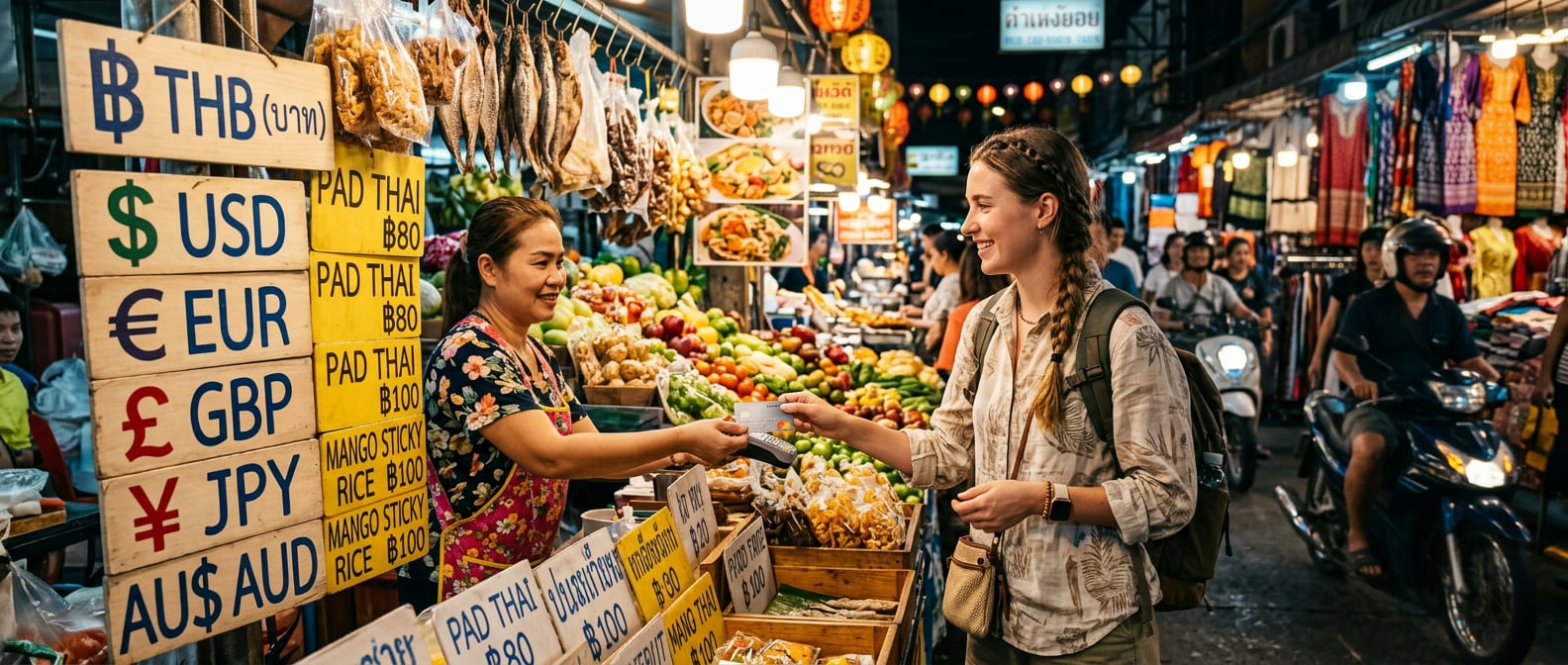
You're at a bustling market in Bangkok, buying souvenirs, and the vendor asks, "Pay in dollars or baht?" Suddenly, you're caught in a currency conundrum. Should you pay in local currency or your home currency? Here's the thing, many travelers face this question daily, and the answer can affect your wallet more than you think.
Why Local Currency Often Wins
The general rule of thumb is to pay in the local currency. When you choose your home currency, you're likely opting into a service called Dynamic Currency Conversion (DCC). While it might seem convenient, it's often loaded with unfavorable exchange rates and additional fees. A 2020 study in the Journal of Financial Services found that DCC typically costs travelers 3-5% more than paying in local currency.
Understanding Dynamic Currency Conversion
Dynamic Currency Conversion is when a merchant offers to convert the transaction into your home currency at the point of sale. Here's the catch: the exchange rate used is set by the merchant, not the market. I had a client who once paid for a hotel in Paris using DCC, thinking it was more transparent. He later realized he paid nearly 7% more due to a poor exchange rate and hidden fees.
A Common Misconception
Many believe that paying in their home currency provides better transparency and control over their spending. This is a myth. In reality, paying in local currency is almost always cheaper because your bank or card issuer usually offers better rates than a merchant's DCC.
Exceptions to the Rule
There are exceptions, albeit rare. If your credit card offers no foreign transaction fees and uses competitive exchange rates, the savings might be negligible. However, always check the rates using a reliable source, like My Panda Currency, before making a decision.
Practical Tips for Popular Destinations
In Europe, always choose to pay in euros rather than dollars. Similarly, in Japan, opt for yen. For U.S. travelers, even in neighboring countries like Mexico or Canada, paying in pesos or Canadian dollars is usually cheaper. Always have a handy tool like My Panda Currency to check live rates.
Final Thoughts
So, should you pay in local currency or your home currency? The answer is clear. Opt for the local currency to avoid unfavorable rates and hidden fees. This simple choice can save you a substantial amount over the course of your travels. If you're curious about other ways to avoid hidden currency fees or make the most of your credit card abroad, we've got you covered. Make informed decisions, and your travel budget will thank you.