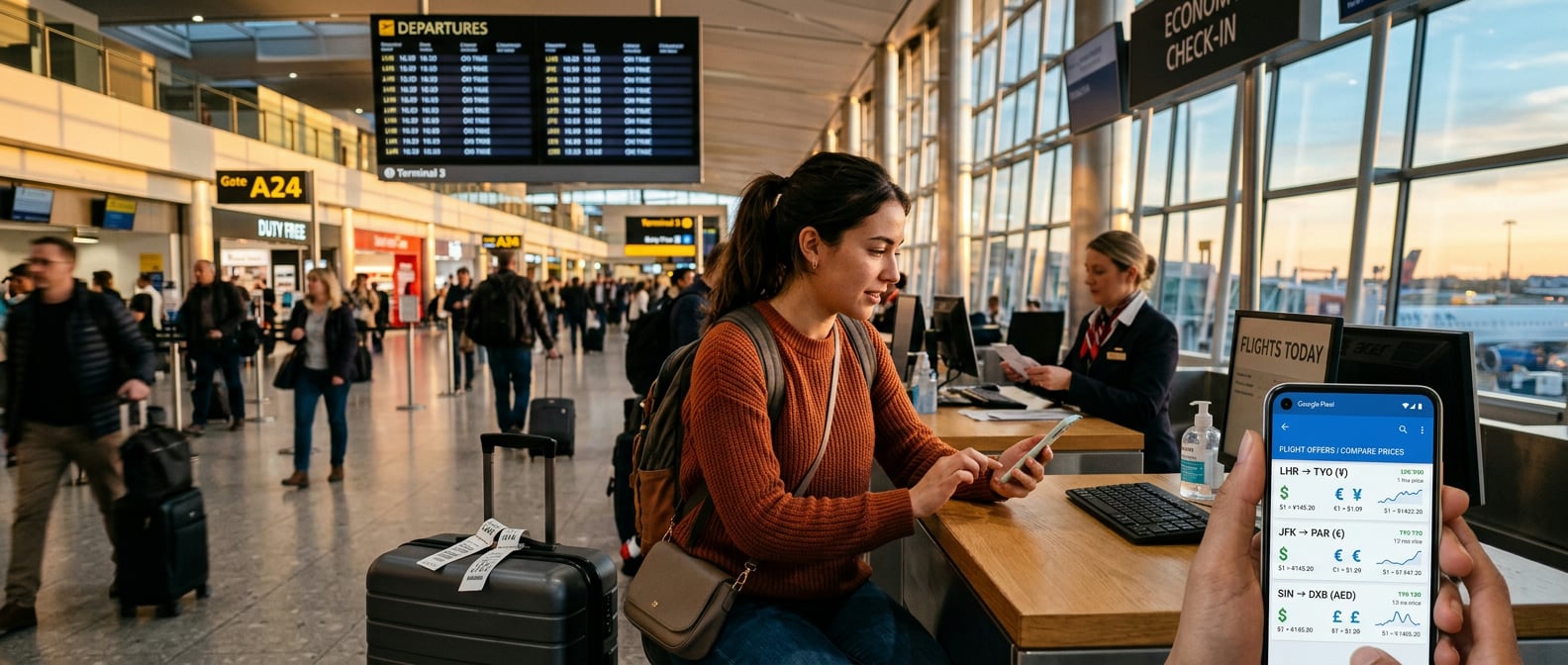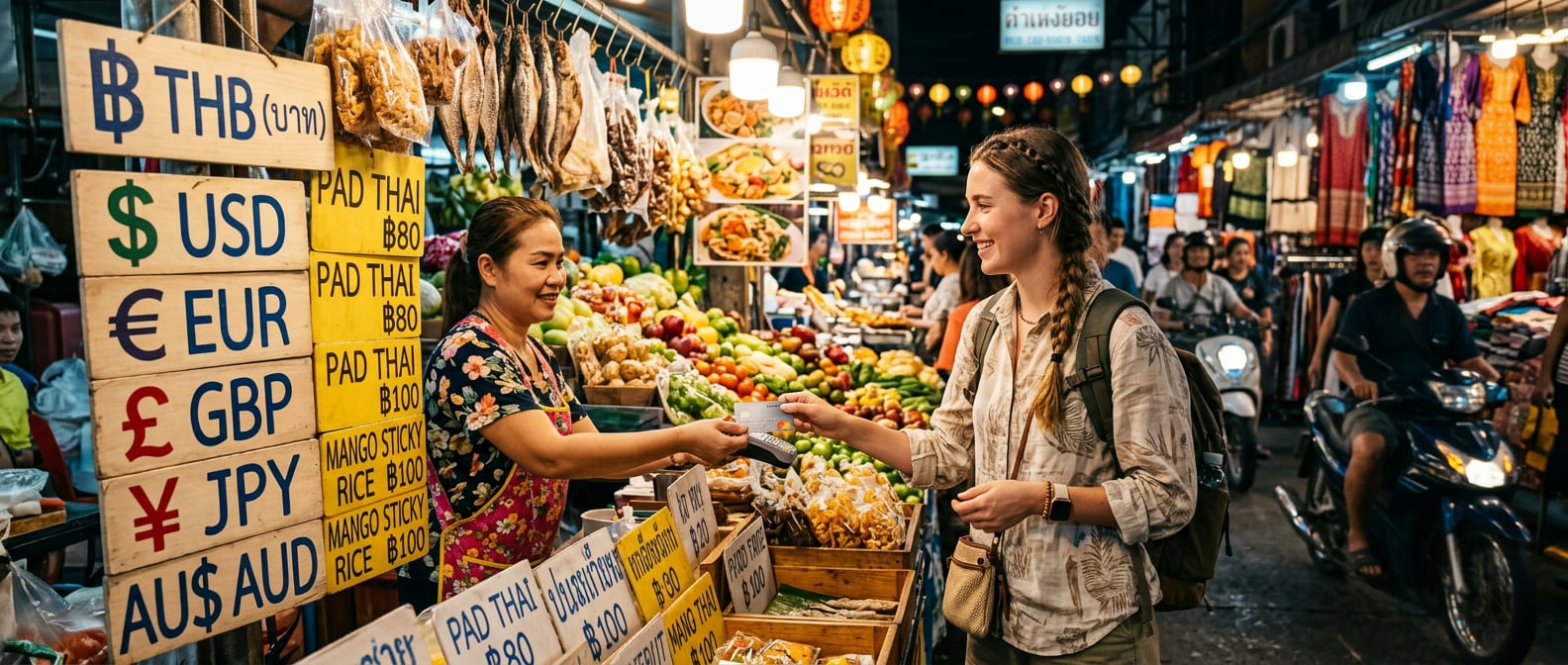

Imagine you're planning a trip abroad, and you check Google's exchange rate only to find a different rate when you visit your bank. Frustrating, right? Let's explore why this happens and how you can stay ahead of the game. The primary reason for this discrepancy is that Google shows the mid-market rate, often referred to as the interbank rate, which is the rate at which banks trade currencies with each other. This rate doesn't include the markups that banks and currency exchange services apply to cover their costs and make a profit.
What is the Mid-Market Rate?
The mid-market rate is essentially the midpoint between the buy and sell prices of two currencies in the global market. It's the most fair and accurate exchange rate available. However, it's rarely the rate you'll receive unless you're a big bank. A study in the Journal of International Money and Finance around 2021 highlighted how banks typically add a margin to this rate to protect themselves against market fluctuations.
Why Banks Add Markups
Here's the thing: banks and currency services are businesses. They need to cover operational costs like staff, technology, and infrastructure. That's why they offer you an exchange rate that includes a markup on top of the mid-market rate. This is perfectly standard, albeit often frustrating for consumers. While Google provides an excellent baseline, it doesn't reflect the reality of individual financial institutions.
Common Misconception: All Rates Are the Same
Many people assume that all exchange rate services should offer the same rates. I once had a client who was convinced his bank was ripping him off because of Google's rates. After a little digging, he realized that banks, credit cards, and exchange services each have their own rates due to different business models and needs. You really can't expect identical rates across the board. To avoid surprises, always check live rates in My Panda Currency before you pay.
How to Get the Best Rates
To minimize costs, compare exchange rates from various sources, including banks, currency exchange services, and online platforms. Sometimes, using an offline-friendly app like My Panda Currency for quick checks can save you from hidden fees. Also, consider reading about how to avoid hidden currency fees abroad to keep your travels budget-friendly.
In the end, understanding the difference between Google's rates and your bank's can help you make informed decisions. Next time you're planning a trip or making an international purchase, remember that the real exchange rate is typically the mid-market rate, but what you get will likely include some markup. Stay savvy and keep a currency converter handy for quick checks.